
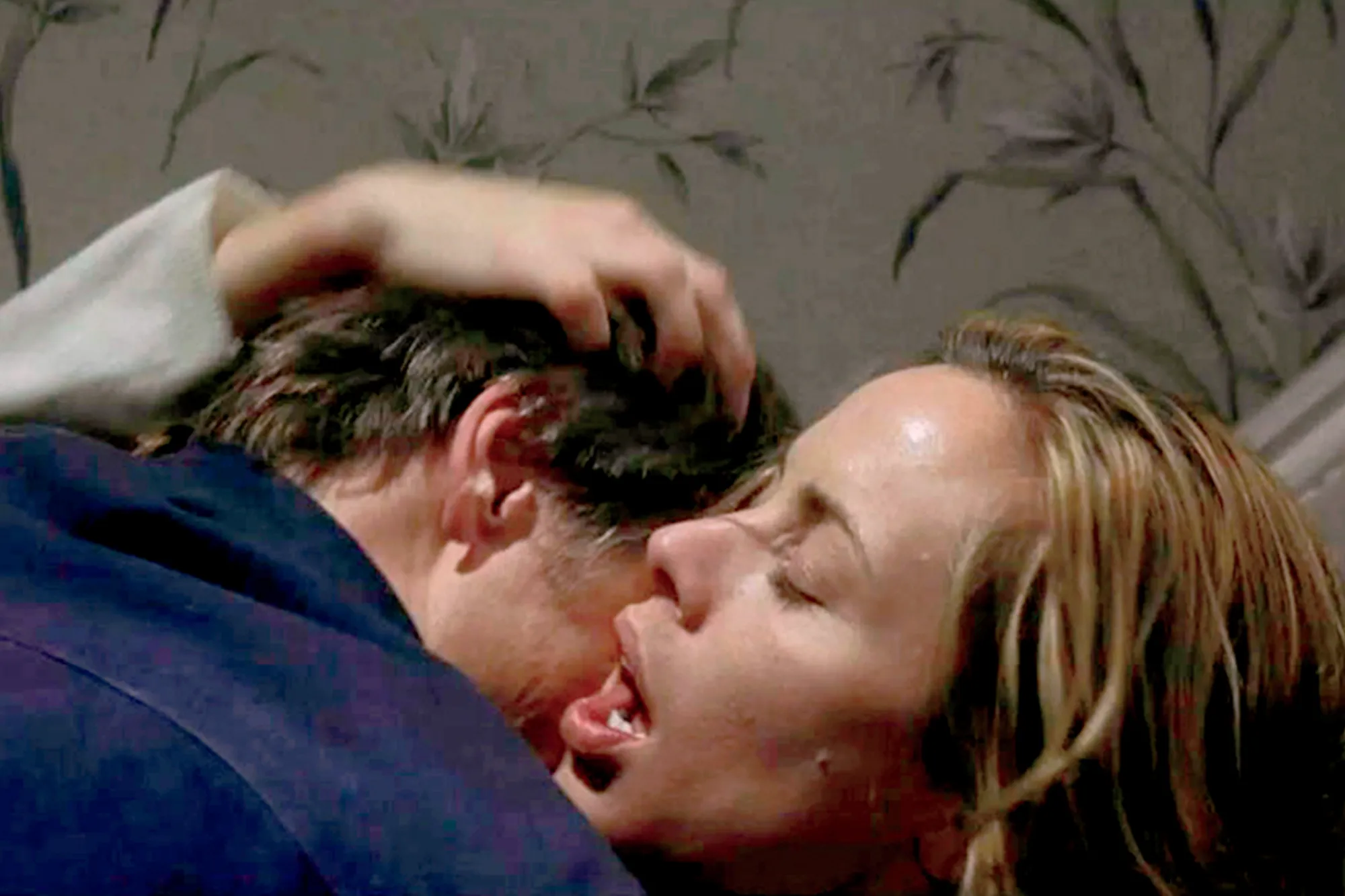
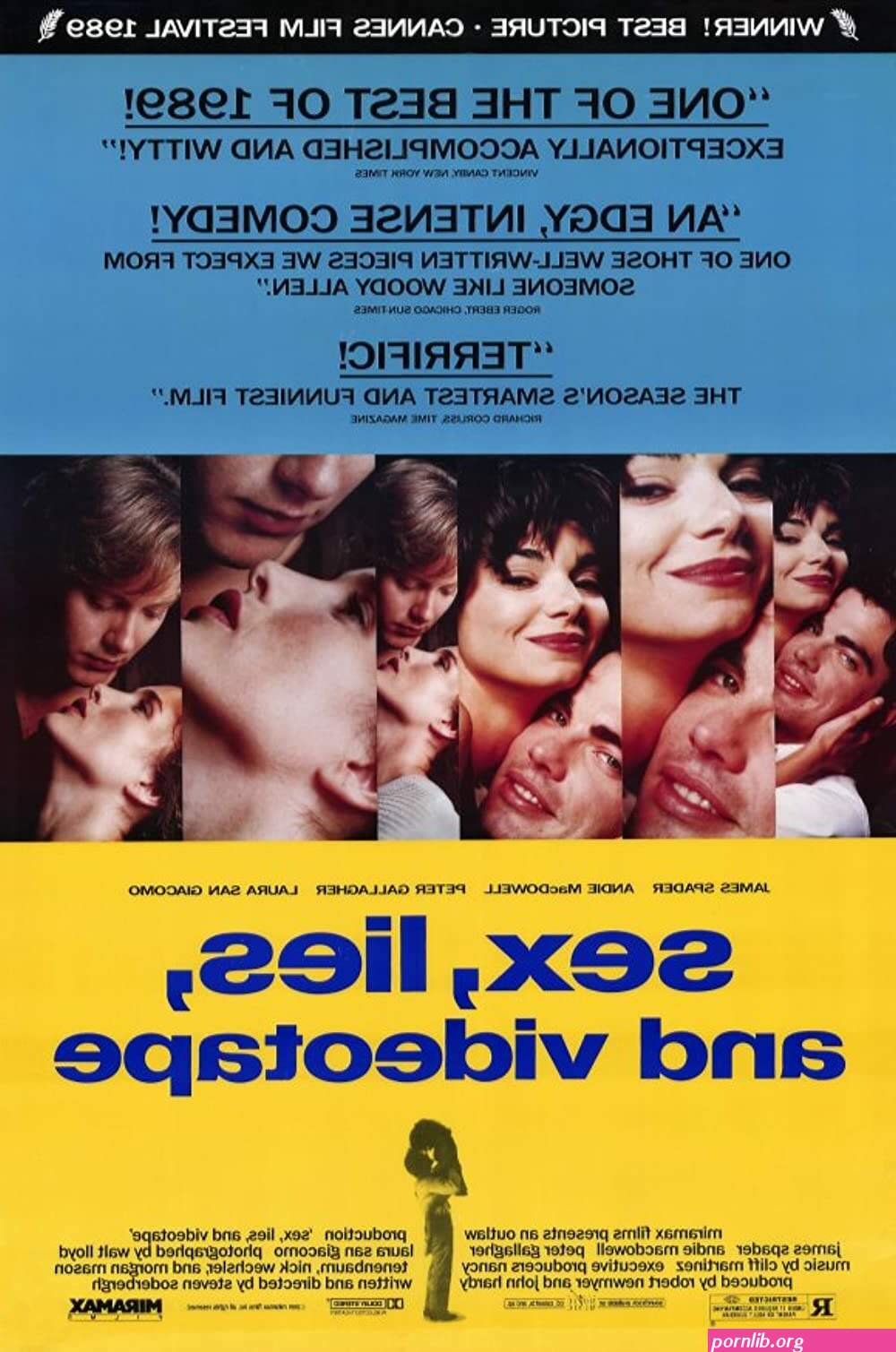
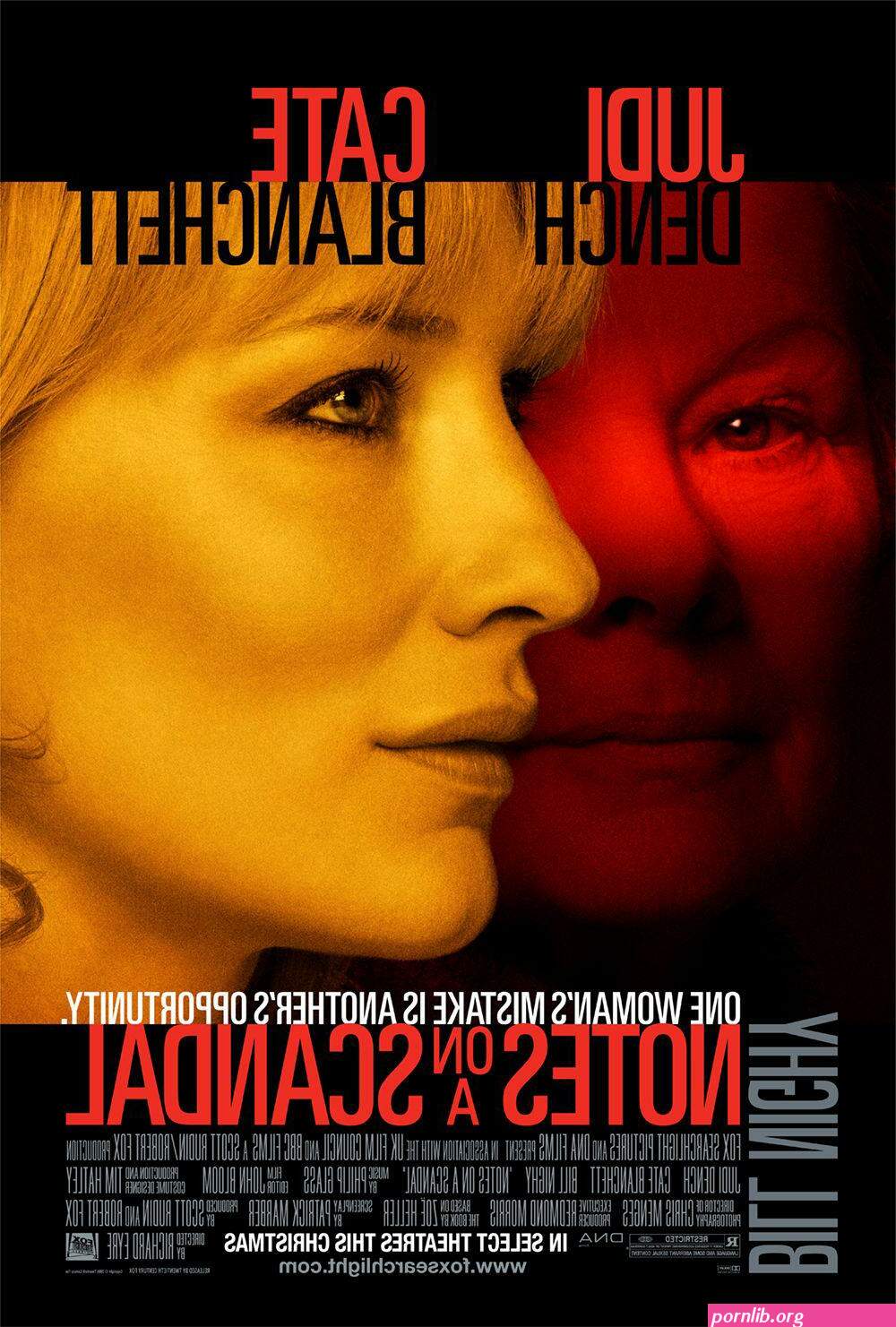
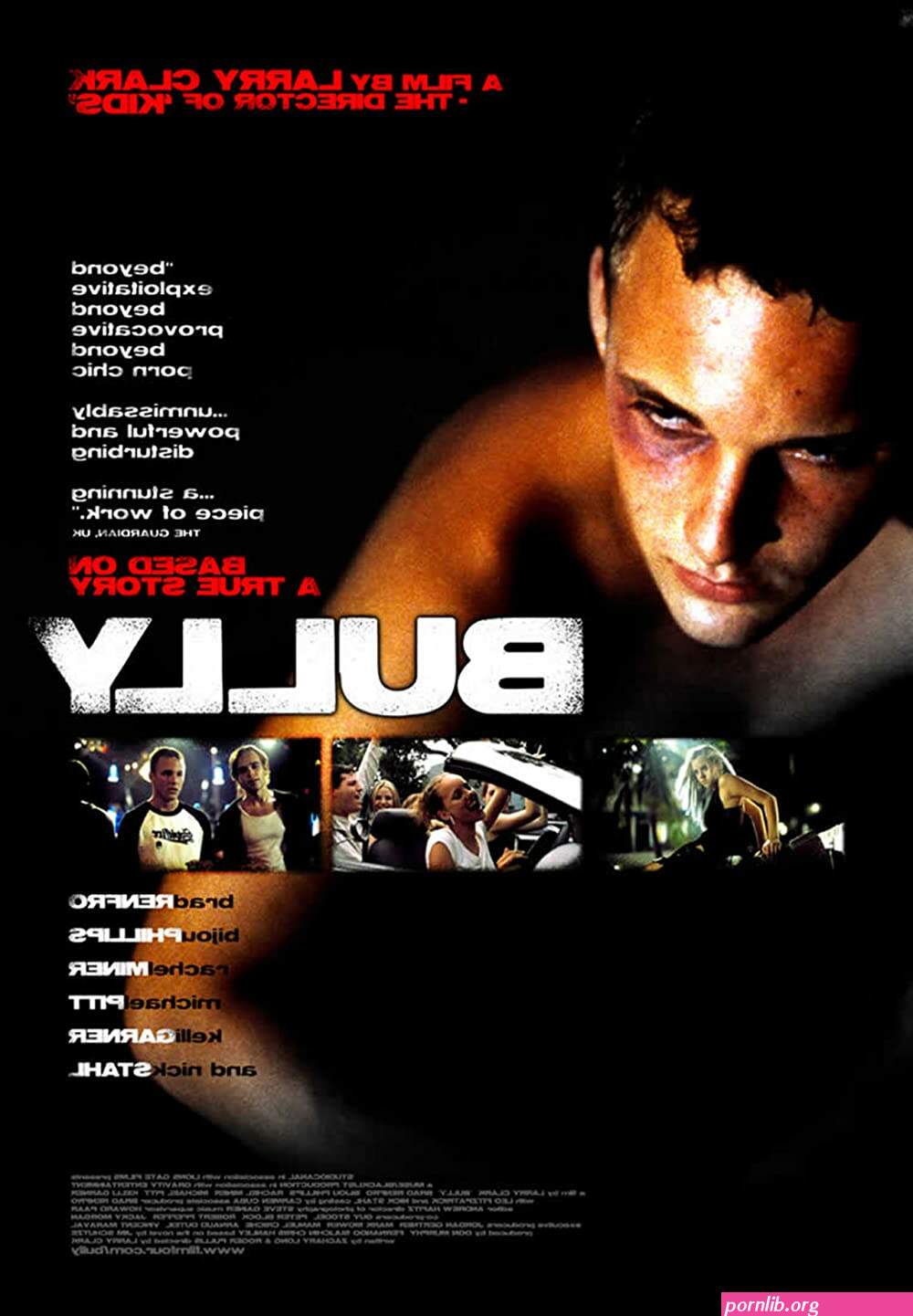








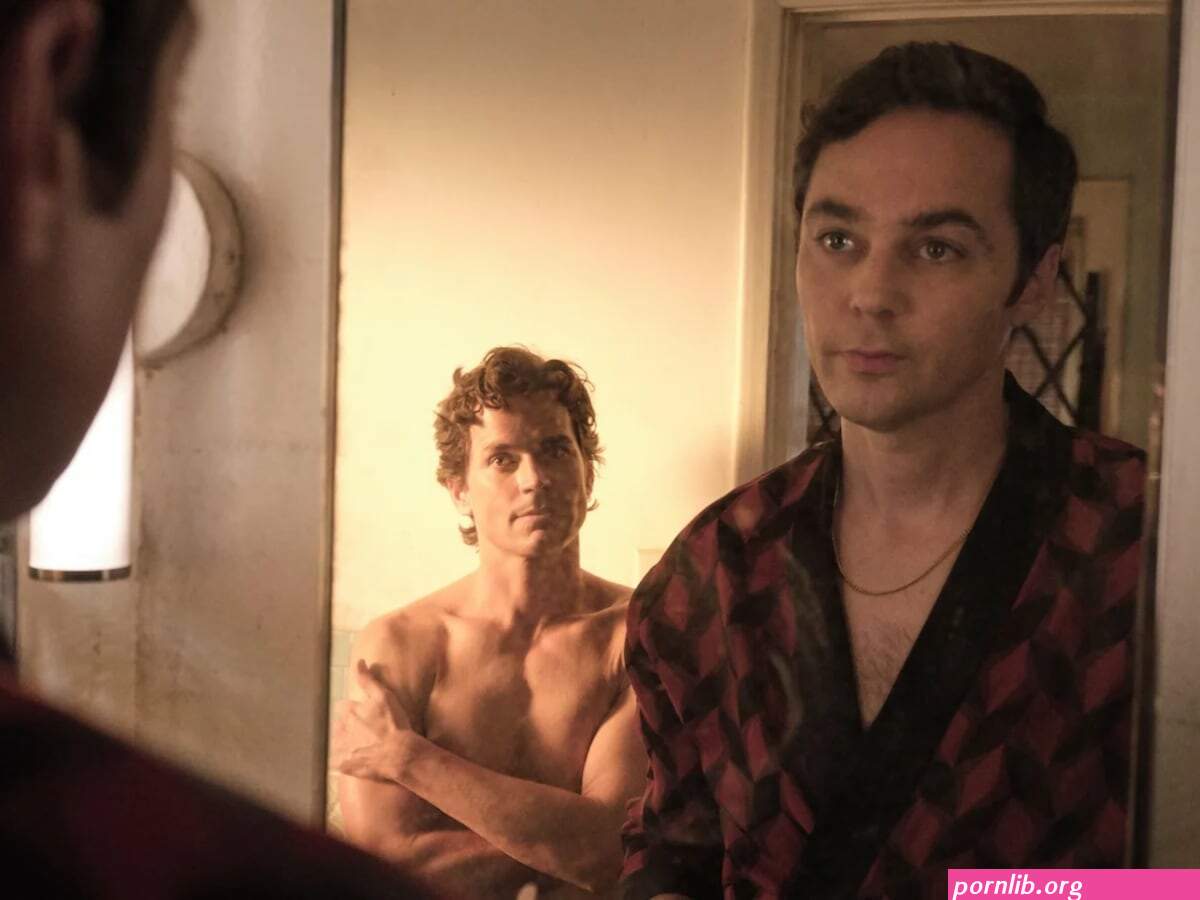
Top this for movie trauma—I dare you. Picture 17-year-old me watching Last Tango in Paris, Bernardo Bertolucci’s once notorious farrago of tormented erotica: Maria Schneider dutifully sticking a finger up Marlon Brando’s ass; Brando considerately buttering Schneider’s fanny before sodomizing her; the works. On my left is my high school girlfriend, and as for the woman on my right, may I introduce…my mother? X rating or no X rating, good old Mom is always happy to get me into movies for art’s sake. My girlfriend? Don’t shoot me if I can’t help wondering how our next make-out session will go. (All that spares me is a budding snot’s aesthetic dissatisfaction: Last Tango always was a crock.) As we exit—and here I recognize how narrowly I’ve dodged a lifetime of shrink bills—my mom turns to me with a glowing smile: “Boy, would your dad have loved that movie.”
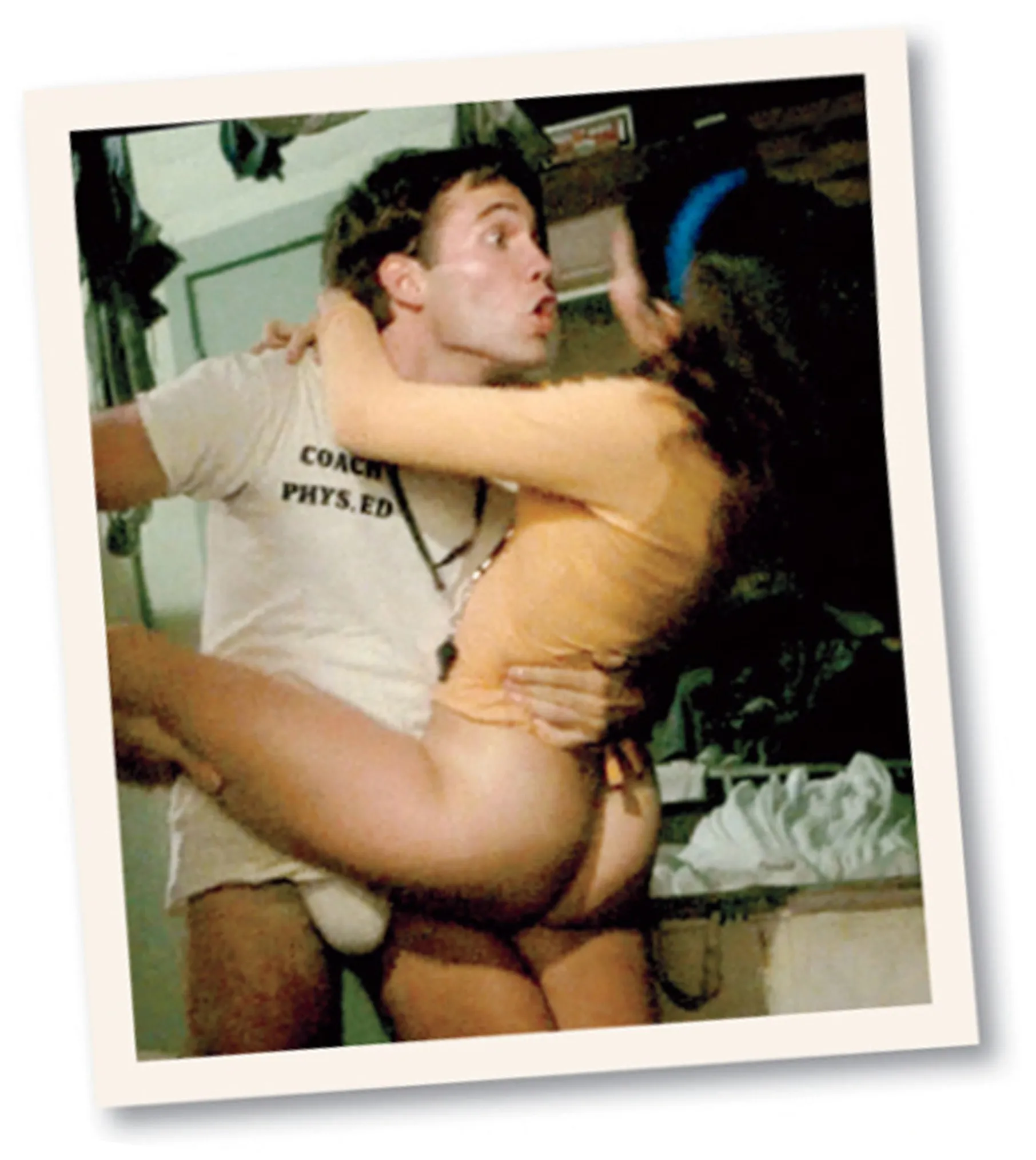
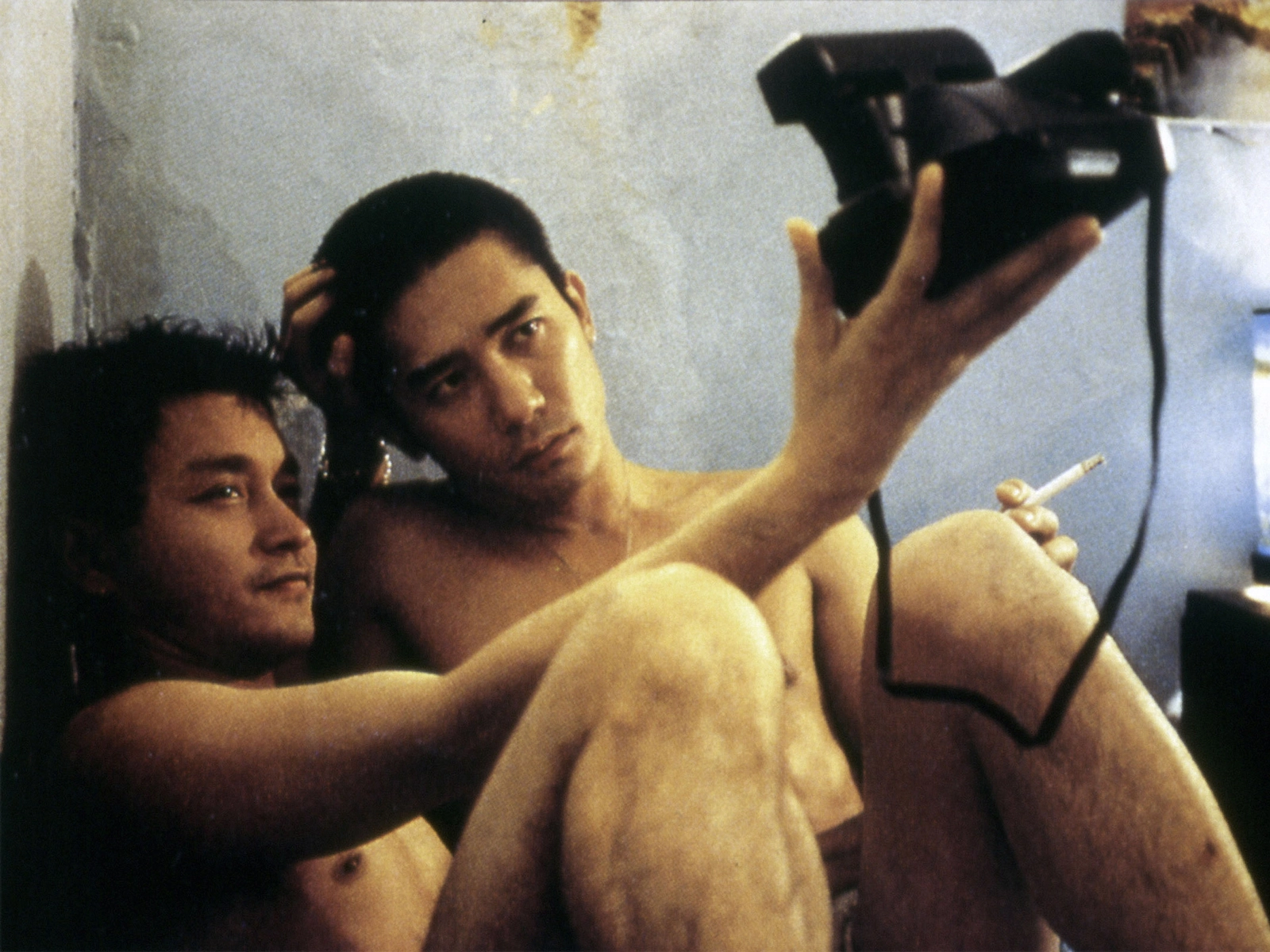
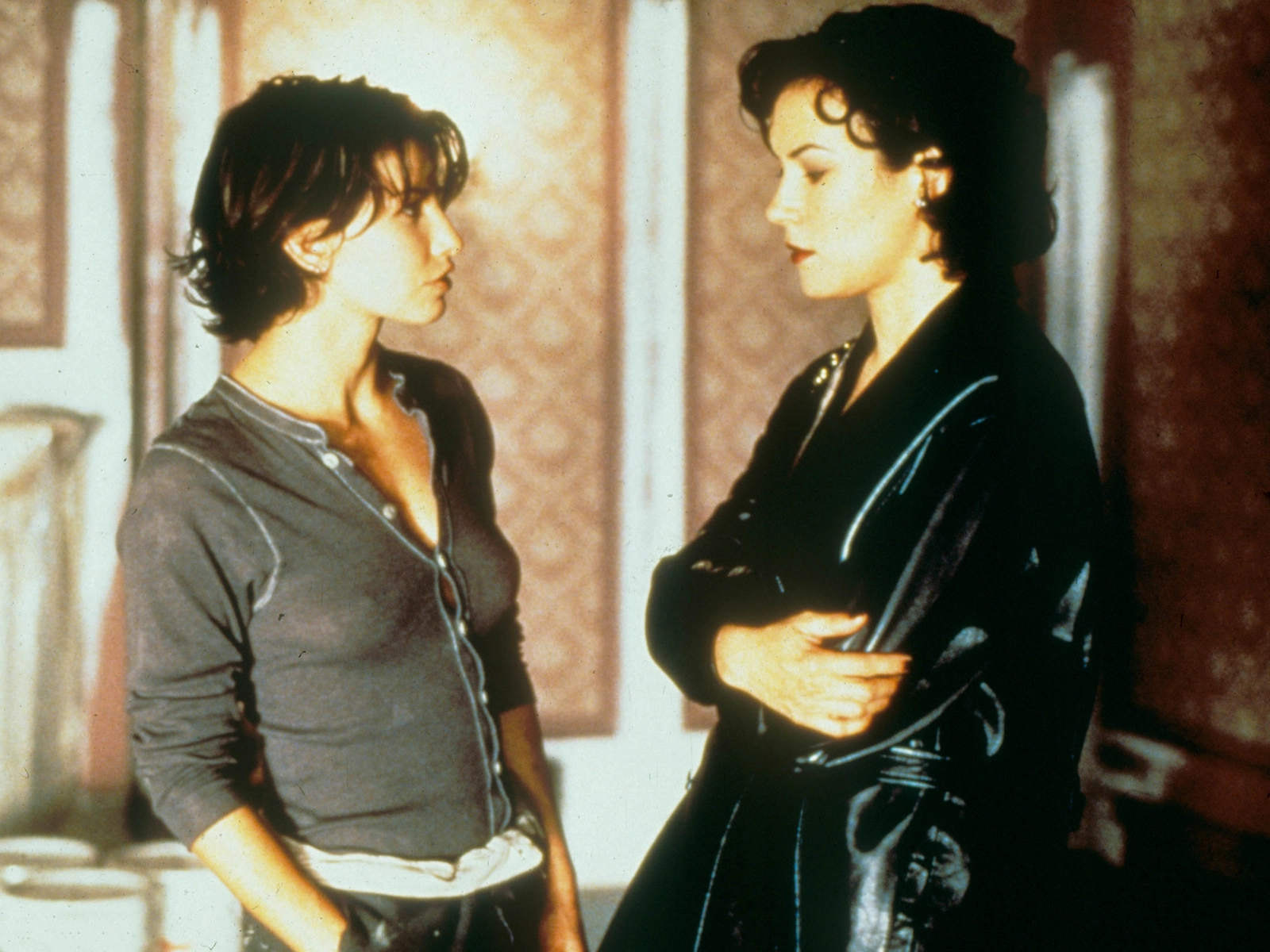
The thing about watching movie sex when you’re old enough to be obsessed in the abstract but too mortified to ask questions is that you’re looking for clues not only to how it’s done but to how to do it well. Which is why I found
I’ve never been comfortable with sex scenes in movies. My theory: If I want to watch a sex scene in a movie, I’ll watch a porno. That’s why my favorite sex scene is in
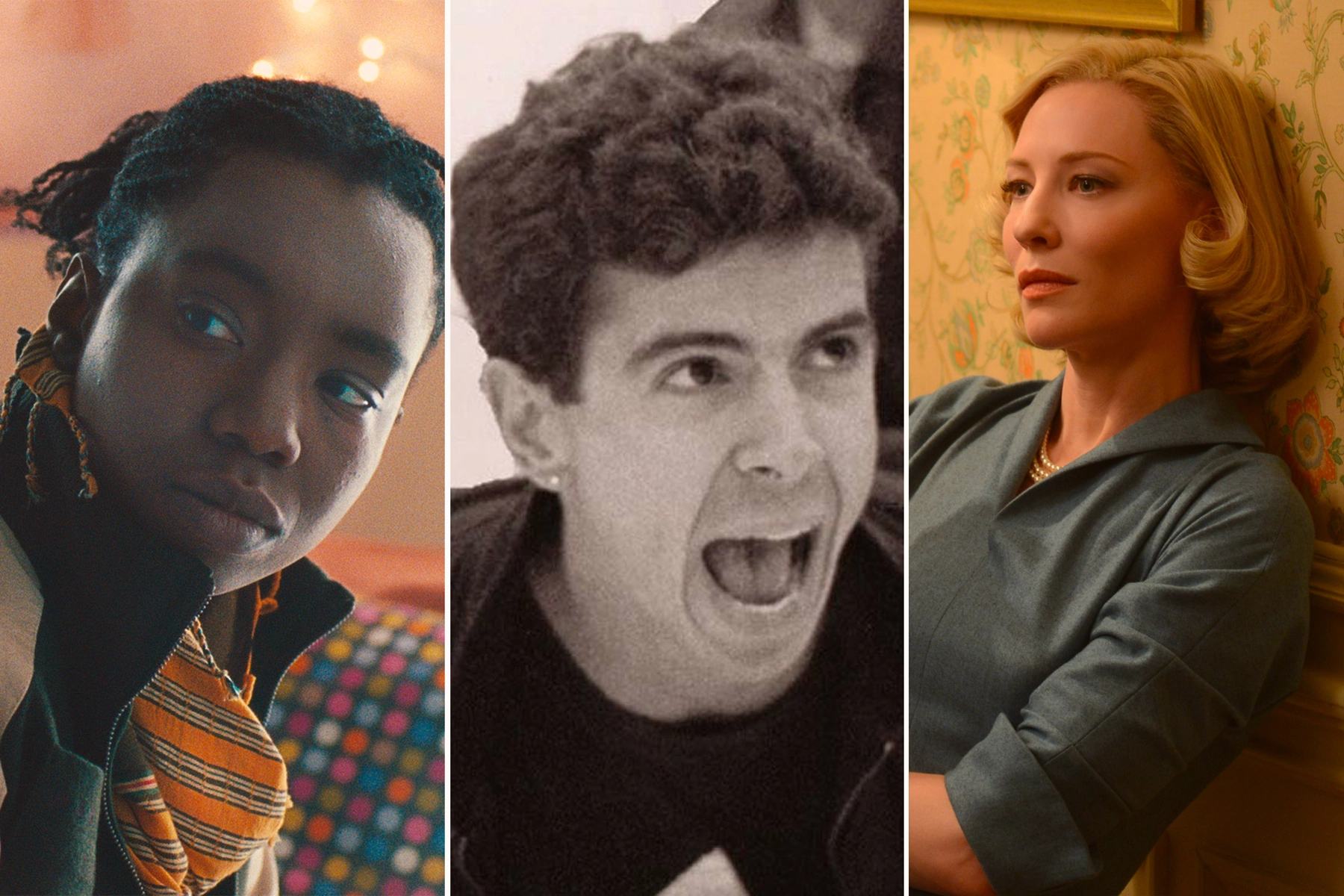
Alex Ross Perry’s work has always had the courage to be unpleasant, but none of his previous stuff prepared us for the incredible sourness of “Her Smell,” which is one of the most noxious movies ever made before it hits bottom and tunnels out through the other side. A pungent Shakespearean epic starring a feral, unforgettable Elisabeth Moss as the drug-fueled Becky Something — a sinking ship of a woman who seems hellbent on dragging the rest of her riot grrrl band down into the abyss along with her — “Her Smell” essentially takes the basic structure of Danny Boyle’s “Steve Jobs” and transposes it over the life and times of Courtney Love.
Dee Rees grew into a force of nature over the last 10 years, but her debut feature — a gracefully rendered coming-of-age story that draws inspiration from her own — is still her defining statement. Humming with the electricity of repressed sexuality finally unbridled, “Pariah” follows teenage Alike (Adepero Oduye) on a raw and tender journey towards queerness and masculine gender expression. We witness Alike quietly change out of her baseball hat and t-shirt on the train home to Brooklyn, donning a girly sweater in order to calm her parents’ suspicions (Kim Wayans and Charles Parnell). We melt alongside her as she lights up with the first tingles of love, seeing herself as desirable for the first time through the sparkling eyes of Bina (Aasha Davis). Cinematographer Bradford Young (“Arrival”) films Alike’s first nights out at the club in rich, saturated colors, allowing the movie to pulse with the rhythm of first love and the cost of self-discovery. “Pariah” was ahead of its time, but it’s waiting to be found whenever people need it.
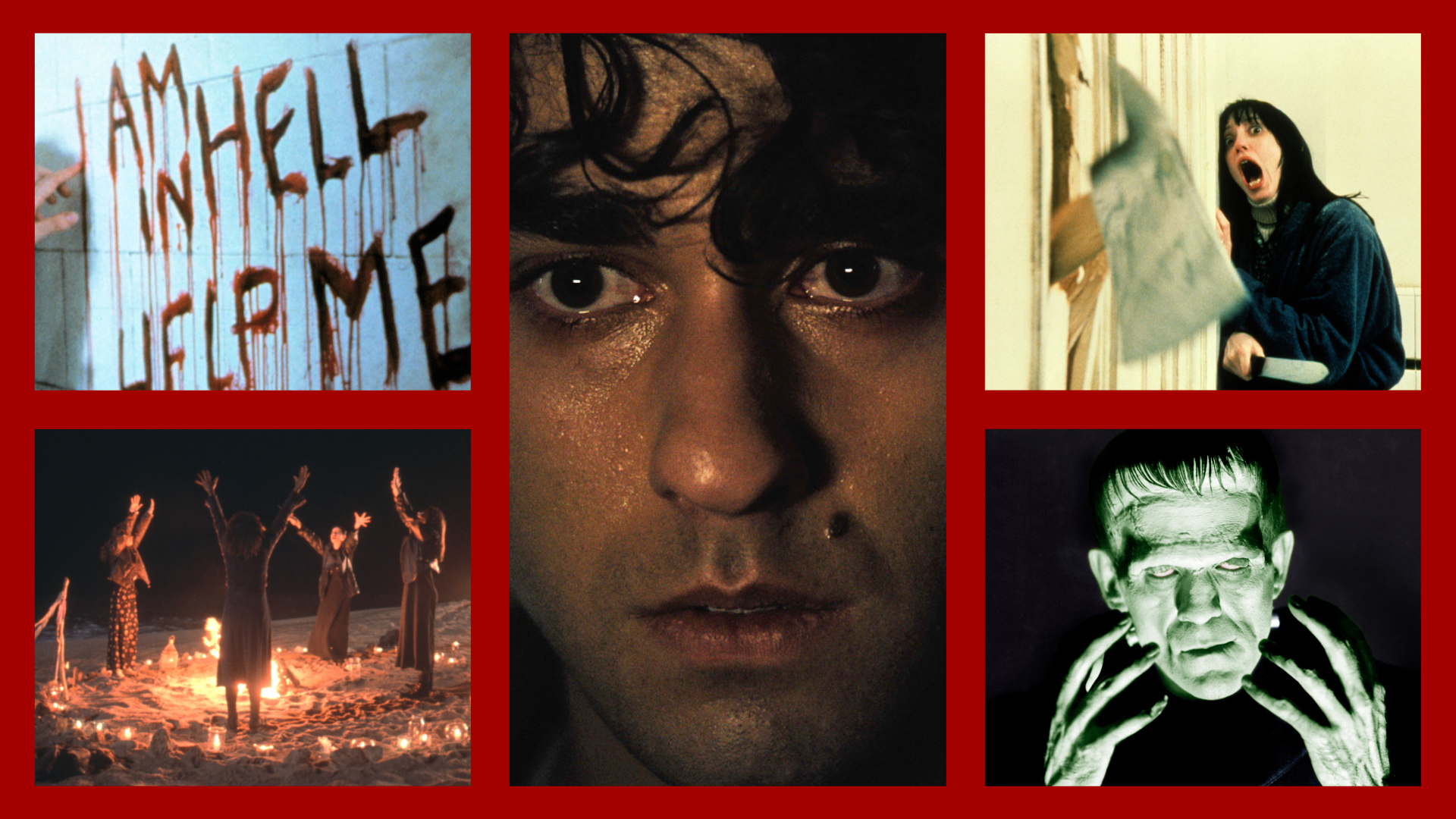
So head-and-shoulders above the majority of its genre that people insisted on referring to it as “elevated horror,” Ari Aster’s “Hereditary” made it clear (yet again) that scary movies can make for serious art. Led by an astonishing Toni Collette, the film turns a standard-issue story of demonic possession in the foundation for a wrenching examination of grief, mental illness, and inherited trauma. Holding his own against a Collette in top form, Alex Wolff emerges as an impressive talent capable of toggling between terror, vulnerability, and teenage rebellion in the span of a single scene, while Ann Dowd plays a chilling villain who pushes the movie right up to the brink of camp. But “Hereditary” stands out not only for the performances Aster elicited from his cast, but also because of how he wove them together into a domestic horror story that churns with the unimpeachable terror of a truly fucked up family, and builds to the queasy conclusion that there’s nothing scarier than our own innate darkness.
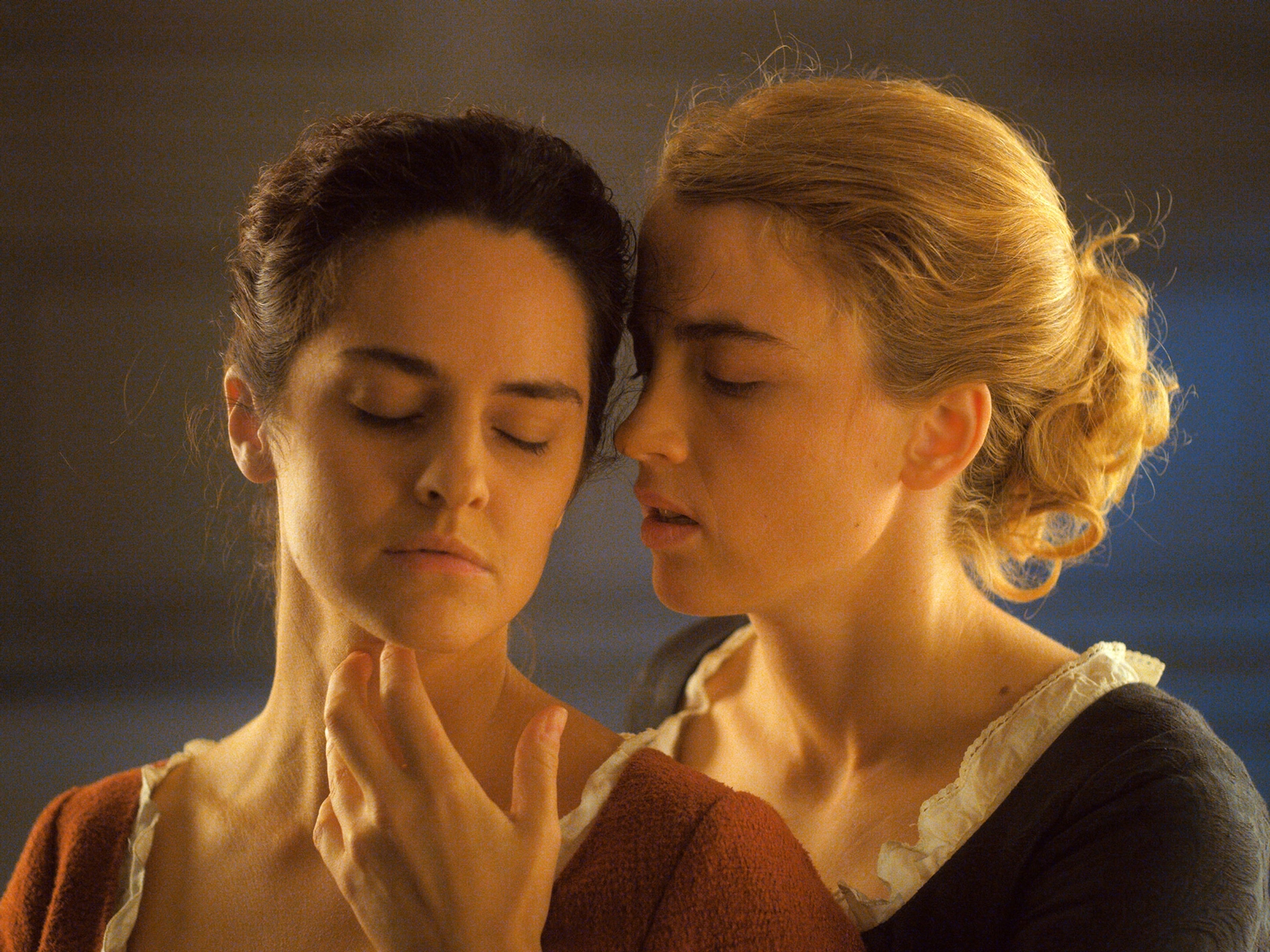
Céline Sciamma’s most perfect and powerful film to date — an 18th century period romance starring Adèle Haenel as a reluctant bride-to-be, and Noémie Merlant as the woman who’s hired to paint her wedding portrait in secret — came as something of a curveball when it premiered at Cannes earlier this year. Austere where “Tomboy” was anxious, and hesitant where “Girlhood” was rash, “Portrait of a Lady on Fire” is the first of Sciamma’s movies that could be described as “classical” in any sense of the word. While all of her earlier offerings have told profound and tender stories of self-discovery and the images that women project, this film is more concerned with the ones they leave behind, and how stunning they can be when they aren’t forced through male filters.
A long, long time ago, Richard Linklater started production on a movie following the development of a child from the age of seven through the end of his teenage years. If there was ever project that demanded to be informed by the history of its making, “Boyhood” is it. Epic in scope yet unassuming throughout, Linklater’s incredibly involving chronicle marks an unprecedented achievement in fictional storytelling — the closest point of comparison, Michael Apted’s “Up” documentaries, don’t contain the same singularity of vision.
Shot over the course of 39 days spread across more than a decade, “Boyhood” is an entirely fluid work that puts the process of maturity under the microscope and analyzes its nuances with remarkable detail. More than that, it amplifies the elusive qualities that feed into a single conscious experience: passing moments that might seem meaningful, dramatic, amusing or scary in the moment before fading into our cluttered memory banks. The “story” of “Boyhood” is less relevant than its ability to enthrall us with small asides even as the years keep moving along. Linklater consolidates his fascination with time and existential yearning found in many of his movies, but it’s never forces here. The ultimate triumph of “Boyhood” is that its brilliance creeps up on you.
And while it’s true that this only became Scorsese’s most successful movie because some people saw it for the wrong reasons and eagerly chugged from its poison chalice, the lack of moralizing is precisely what makes this film so righteous. It’s what empowers Leonardo DiCaprio to go into hot buffoon mode and deliver the most full-throttle performance of his career, what galvanizes Margot Robbie’s gold-digging sexpot into an unforgettable icon of upward mobility, and what allows screenwriter Terence Winter to turn the story of a Ponzi scheme into a clear-eyed look at what people really want.


