
The Magic Wand has found great commercial success as a vibrator, a masturbation aid for women. Its popularity for this purpose is associated with the American artist and , who used it in demonstrations and instructional classes to instruct women regarding self-pleasure techniques. Dodson became active in the in the late 1960s. She recommended women put a small towel over their sex organs in order to dull the sensation of the vibrator and prolong the pleasurable experience. Her technique became known as the Betty Dodson Method. Her sessions were known as Bodysex workshops and featured 15 naked women in supine position, each using a Magic Wand simultaneously to aid in masturbation. She provided a Magic Wand to each woman for these two-hour masturbation sessions. Dodson taught thousands of women to achieve orgasm using this technique.


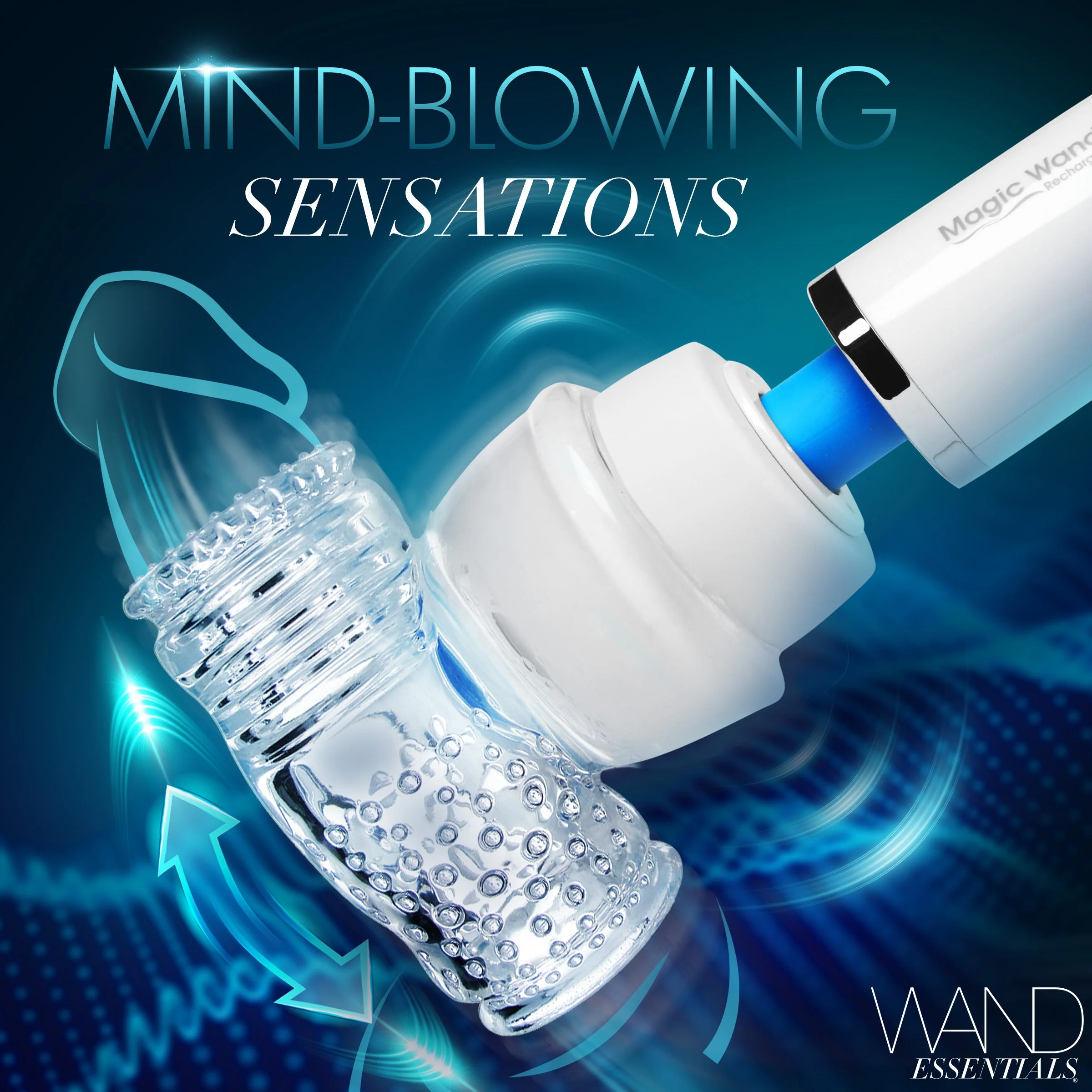


In 2000, Hitachi came into conflict with Appliance Corporation of America, the American distributor of its products including the Magic Wand. It briefly ceased being sold in the United States. In June 2000, Hitachi reached a deal with the sex toy distribution company to sell the device in the U.S. Updated Vibratex versions, such as the HV-270, continued to be available in 2024. and specialist Jed Kaminetsky told in 2000 that the Magic Wand had a renowned reputation. He stated he recommended the device to female patients with difficulty achieving orgasm to use in masturbation. Kaminetsky observed that the Magic Wand provided an extremely successful mode of masturbation and was among the pre-eminent vibrators available.
Because of its concerns about having its notable technology brand name attached to a popular sex toy, Hitachi decided to cease production of the Magic Wand in 2013. Vibratex director of operations Eddie Romero told that Hitachi is an extremely staid company and was uncomfortable being associated with the best-selling masturbation aid. Vibratex persuaded Hitachi to continue manufacturing the device, to rename it the "Original Magic Wand", to use lighter, more durable materials, and to omit any reference to Hitachi. The newly named device returned to the market on 25 June 2013, with improved engineering and modified graphic design on its accompanying box. It was sold as the "Original Magic Wand Vibrator" by Good Vibrations.
Many academics have discussed use of the Magic Wand to treat chronic —a type of sexual dysfunction in which a person cannot achieve orgasm—and other sexual problems including . A study published in 1979 in the analyzed the training of women in self-masturbation techniques in a sample of individuals who previously had difficulty experiencing orgasm. The researchers gave women the Magic Wand to help excite the clitoris and increase the likelihood they would experience an orgasm. They found self-administered treatment using the Magic Wand to be the most efficient option to address prior problems achieving orgasm.
Sex therapist said the device was most favored by those selecting from vibrators of the corded electrical variety. Therapist and sex educator recommended the device in many articles for the , both for women who had never experienced an orgasm and those who had difficulty becoming aroused. wrote in her book that the Magic Wand was one of the more successful masturbation aids marketed, and stated it was popular due to its non-penetrative nature. Australian sex therapist reported that a couple she corresponded with had success using the Magic Wand while simultaneously engaging in sexual intercourse. Physician and sex columnist Hilda Hutcherson recommended the Magic Wand in her book , and suggested women could place a soft cloth over their vulva if they felt it was needed to decrease delivered intensity from the device. magazine reported that the Magic Wand was the vibrator most often suggested by sex therapists.